
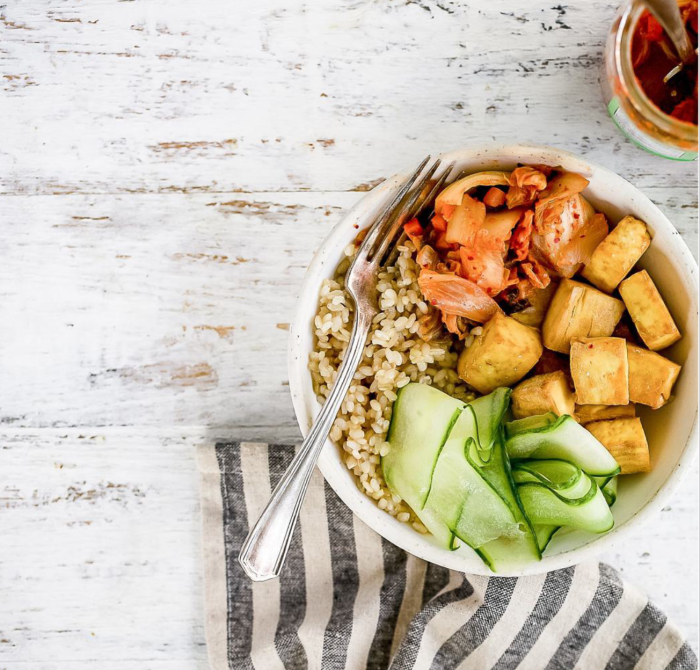
Description A simple plant-based plan incorporating essential nutrients and foods to help manage symptoms of depression. A balanced diet that prevents common nutrient deficiencies while enhancing the intake of specific nutrients may help improve depressive symptoms. This plan contains omega-3 fats, high fiber, antioxidants, and probiotics and avoids sugar. It incorporates nutrients found to improve symptoms of depression, such as selenium, zinc, and folate. CORN-FREE, SOY-FREE, SUGAR-FREE, DAIRY-FREE, VEGAN, VEGETARIAN 16 PAGES OF RECIPES, SNACK IDEAS What’s in the plan? 7 day meal plan including recipes, main meals, and snacks Detailed meal prep guide to help you know what to prepare and when Detailed nutritional information by day as well as for each individual recipe Both metric and USA versions available for download Recipes: Saucy Berry Citrus Oatmeal Potato Chickpea Breakfast Hash Cinnamon & Banana Protein Oatmeal Sunflower Seed Butter Toast & Blueberries Banana Spinach Smoothie Berry Oat Smoothie Clementines & Pumpkin Seeds Sauteed Chickpea & Edamame Bowl Sauerkraut & Hummus Sandwich Hummus Kraut & Crackers Crackers with Sunflower Seed Butter & Banana Everything Bagel Hummus & Veggies Pesto Barley & Tofu Bowl Edamame & Barley Spinach Salad One Pan Roasted Chickpeas & Veggies Kimchi & Tofu Rice Bowls Evidence: This program was created with the following key considerations in mind: Zinc & Selenium Some studies have suggested that zinc levels may be lower among people with depression. Getting more zinc may also help antidepressants work more effectively. Selenium is a mineral that might help improve mood and reduce feelings of anxiousness. These minerals are added to your plan from foods like tofu, fortified granola, sunflower seed butter, pumpkin seeds, and chia seeds. Folate Vitamin B9 (folate) is helpful for your mental health by protecting and maintaining the health of your nervous system. Some evidence suggests that having enough folate available may help improve symptoms of mood disorders like depression. Folate is incorporated through soy milk, edamame, tofu, spinach, Brussels sprouts, and broccoli. Omega-3 Fats Omega-3 fatty acids play an essential role in brain health and function, including neurotransmitter regulation and managing inflammation, which are linked to depression. This plan adds omega-3s from chia seeds and flax seeds. Probiotics A healthy gut microbiome may help reduce the symptoms and risk of depression. Fermented foods are natural sources of probiotics, which can help promote a healthy balance of gut bacteria in your microbiome. These are included in your meal plan for depression with sauerkraut and kimchi. Protein Our bodies use an amino acid called tryptophan to produce serotonin, an important brain chemical often called the “feel-good” hormone. Serotonin is heavily involved in mood regulation and sleep, and there’s some evidence that it plays a role in depression as well. Some of the best protein sources to incorporate into your diet include legumes, soy foods, nuts, and seeds.